
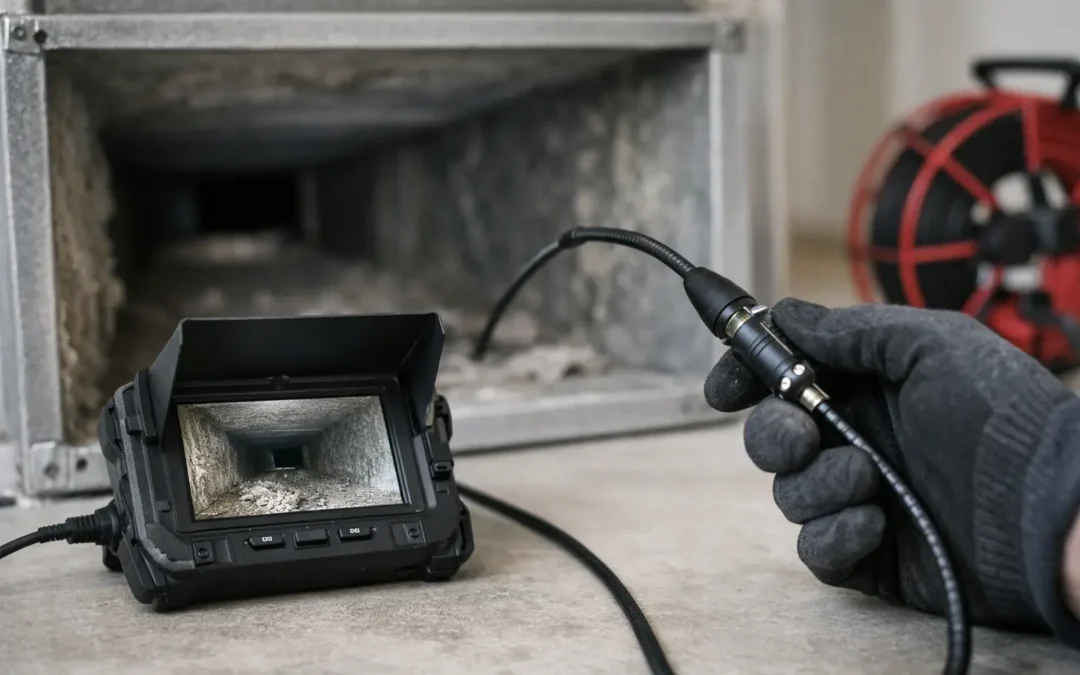
A return vent can look perfectly clean while the ductwork behind it tells a different story. Dust buildup, construction debris, pet hair, insulation fragments, and moisture-related concerns are often hidden well beyond the grille. An air duct video inspection gives homeowners, property managers, and facility teams a clear look at conditions inside the system before decisions are made about cleaning or treatment.
For a property owner, that visibility matters. You should not have to rely on vague claims that ducts are dirty or accept a recommendation without evidence. Video inspection helps identify what is present, where it is located, and whether a professional cleaning is likely to provide a meaningful benefit.
Why Video Inspection Matters Before Duct Cleaning
Ductwork is out of sight by design. It runs through ceilings, walls, crawl spaces, mechanical rooms, and attics, carrying conditioned air through the building. That makes it difficult to judge its condition from a vent cover alone.
A camera inspection allows a trained technician to view accessible sections of the supply and return system. The footage can reveal loose dust, accumulated debris, pet hair, signs of recent construction material, damaged duct lining, or conditions that may need further attention. It also helps confirm whether a concern is isolated to one run or present throughout a larger portion of the system.
This is especially useful after remodeling, water damage, pest activity, or a move into a previously occupied home. Drywall dust and other fine particles from construction can travel farther than many owners expect. In commercial properties, a tenant improvement project can affect nearby ductwork even when the HVAC equipment itself was protected.
Video inspection is not about creating alarm. A well-maintained system may show only a light layer of ordinary dust, and not every duct system requires the same level of service. The purpose is to replace guesswork with a documented assessment.
What an Air Duct Video Inspection Can Find
The camera provides a practical view of areas that are otherwise difficult to reach. While the exact findings depend on the property, age of the HVAC system, occupancy, and maintenance history, several conditions are common.
Dust and Debris Buildup
Normal household dust settles inside ductwork over time. Homes with shedding pets, active families, frequent open windows, or nearby construction may accumulate debris faster. In commercial settings, foot traffic, warehouse operations, food service activity, and frequent tenant turnover can also increase the amount of particulate matter entering the system.
A video inspection helps show whether the buildup is light and routine or substantial enough to justify cleaning. It can also show if debris is concentrated near return ducts, which often collect more material than supply runs.
Construction Materials and Foreign Objects
New construction and renovation work can leave behind drywall dust, sawdust, insulation pieces, screws, packaging, or other materials. These items do not belong in a functioning air distribution system. Video can identify their location so the cleaning approach is targeted and appropriate.
Occasionally, inspections reveal objects that have fallen through floor registers or been left behind during prior work. Finding them early can help prevent avoidable airflow restrictions or rattling sounds.
Moisture Concerns and Possible Microbial Growth
If the camera reveals staining, moisture residue, or material that appears unusual, the technician can explain what is visible and recommend the appropriate next step. Video alone cannot identify a specific type of mold or confirm a health-related diagnosis. That requires proper testing when warranted.
Still, a visual inspection is valuable because it can identify conditions that deserve attention. Addressing leaks, condensation, drainage problems, or humidity issues is often more important than cleaning alone. If the source of moisture remains, the problem can return.
Duct Damage or Disconnected Sections
Flexible ductwork can sag, tear, or become disconnected. Metal ducts can develop gaps at joints. These issues may reduce efficiency, allow dust from unconditioned spaces into the system, or make cleaning more complicated.
An inspection may not reach every inch of every run, particularly in older buildings with tight turns or inaccessible layouts. But it can provide useful evidence of visible damage and help determine whether an HVAC repair professional should be involved.
What a Professional Inspection Process Should Include
A dependable duct service begins with clear expectations. The technician should explain the inspection process, identify the accessible areas being reviewed, and discuss any limitations created by the system layout.
The camera is typically introduced through registers, returns, or other appropriate access points. As the technician moves through reachable sections of the ductwork, they can look for buildup, debris, and visible concerns. The best process is not rushed. It connects what the camera shows with the property’s history, such as recent remodeling, indoor air quality concerns, water intrusion, or long gaps between maintenance.
If cleaning is recommended, the scope should be understandable. Property owners should know whether the service includes supply ducts, return ducts, main trunk lines, registers, and other components. For certain conditions, antimicrobial treatment may be appropriate after cleaning, but it should be used thoughtfully and according to the situation rather than offered as a one-size-fits-all add-on.
Documentation also matters. Ask what the inspection found, what was cleaned, and whether before-and-after video or images are available. Clear documentation is particularly helpful for property managers who need maintenance records, owner approvals, or proof of work for a commercial facility.
When Video Inspection Is Worth Scheduling
Not every property needs an immediate duct inspection. However, there are situations where it can be a smart preventive step. A homeowner may notice excess dust returning shortly after cleaning, uneven airflow in certain rooms, odors when the HVAC system starts, or debris visible around registers.
For property managers, inspection can be useful between tenants, after a maintenance issue, following a renovation, or as part of a planned turnover checklist. Healthcare-adjacent facilities, offices, retail spaces, and multi-unit properties may also benefit from documented duct condition when managing recurring maintenance schedules.
Utah properties face a range of conditions that can affect indoor systems. Dry outdoor air, seasonal dust, wildfire smoke, construction activity, pets, and high-use heating and cooling seasons all influence what moves through a building. The right schedule depends on the property, not a calendar rule. A lightly occupied home with good filtration may need less frequent attention than a busy commercial building or a home with several pets and recent remodeling work.
Video Inspection Is One Part of Responsible Maintenance
An air duct video inspection can reveal useful information, but it works best as part of a broader maintenance approach. Clean filters on schedule, keep return vents unobstructed, address moisture promptly, and make sure HVAC equipment receives appropriate service. Duct cleaning cannot correct a failing blower, a leaking roof, or a poorly sealed return line.
It also helps to work with a provider that understands the difference between a visual concern and a confirmed problem. Honest recommendations protect both the building and the budget. If the footage shows only normal, limited dust, that should be communicated clearly. If it shows substantial debris or a condition requiring additional service, the next steps should be explained without pressure.
Wadley Services uses video-inspected duct cleaning to give customers a better view of the work their property needs. For homeowners and facility teams across Utah, that means a more informed decision, a cleaner path forward, and service backed by the care expected from a company that puts its name on the work.
When the inside of your ductwork is impossible to see, a camera inspection gives you something better than assumptions: a clear look at the condition of the system and a practical basis for deciding what to do next.
Recent Comments