
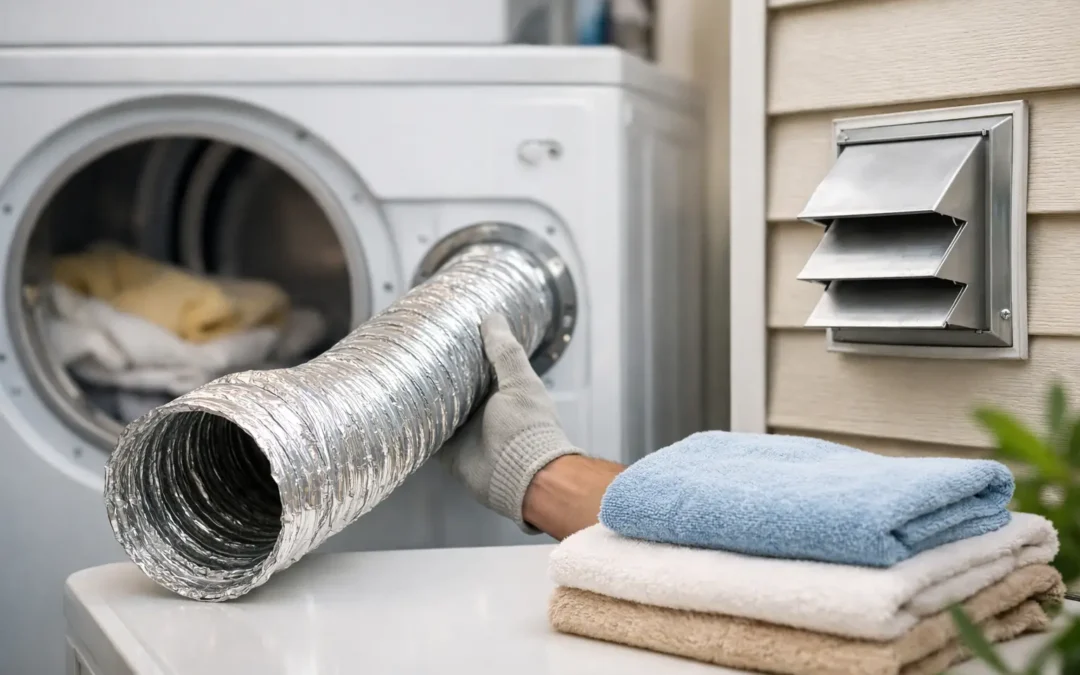
A load that once dried in 45 minutes but now needs two or three cycles is more than an inconvenience. It can be a warning that lint is restricting the exhaust path behind the dryer or inside the vent line. The top benefits of clean dryer vents reach beyond better laundry results: regular service helps reduce a common fire hazard, supports efficient equipment operation, and protects the people using the building.
For Utah homeowners, property managers, and commercial facilities, dryer vent cleaning is practical preventive maintenance. A clean vent helps the dryer move hot, moist air outside as designed. When that airflow is restricted, the appliance works harder, runs hotter, and puts more wear on parts that should not have to carry the extra load.
Top Benefits of Clean Dryer Vents
Lower fire risk
Lint is highly flammable, and it does not stay contained in the lint screen. Small fibers can collect in the dryer cabinet, transition hose, wall connection, exterior hood, and the full length of the duct. When airflow is poor, heat can build around that material.
Cleaning the lint screen after every load is still necessary, but it is not a substitute for professional vent cleaning. The screen catches only part of the lint created during drying. A thorough service addresses the areas most people cannot see or safely reach, including long duct runs and exterior terminations.
No maintenance service can eliminate every possible appliance risk. However, removing accumulated lint and restoring airflow is a sensible step toward a safer laundry area, especially in homes with older dryers, busy family laundry rooms, or vents that travel through walls, ceilings, or roofs.
Faster drying times and less wasted energy
A dryer is designed to push warm, damp air out of the machine. When the vent is blocked or narrowed by lint, the moisture has nowhere to go quickly. Clothes stay damp longer, and the dryer may need repeated cycles to finish the job.
Longer cycles use more electricity or gas. They also take time out of a household’s schedule or add cost to a property’s utility budget. Once airflow is restored, many customers notice that loads dry more consistently in a single cycle. Results depend on the dryer, fabric type, load size, and the condition of the vent system, but better airflow gives the appliance a fair chance to operate efficiently.
Help your dryer last longer
A dryer that repeatedly overheats or runs extended cycles experiences unnecessary strain. Heating components, motors, belts, sensors, and other working parts may wear sooner when the unit cannot exhaust properly. That can lead to avoidable service calls or premature replacement.
Clean vents do not make a worn-out appliance new again, and they cannot correct every mechanical problem. If drying remains slow after cleaning, the dryer may need a separate repair assessment. Still, keeping the vent clear removes one major source of stress from the system and helps protect the investment you have already made in your laundry equipment.
Improve indoor comfort and moisture control
A properly connected, unobstructed dryer vent sends humid air outdoors. If the connection is loose, crushed, disconnected, or heavily restricted, moisture may linger in the laundry room or escape into wall cavities and other unintended areas.
Excess humidity can make a space feel uncomfortable and may contribute to condensation concerns over time. In multi-unit properties and commercial laundry rooms, those problems can affect more than one resident or tenant. Professional inspection helps identify visible vent damage, disconnected sections, improper materials, or exterior hoods that are not opening as they should.
Keep laundry areas cleaner
Lint has a way of showing up where it is least wanted: behind appliances, around exterior vents, and on nearby shelves or mechanical equipment. A restricted vent can push more lint back toward the dryer and laundry room. Cleaning the pathway helps reduce buildup and leaves the area easier to maintain.
This matters in homes, but it matters just as much in shared laundry rooms, vacation properties, senior living communities, and commercial facilities. A clean, orderly laundry area gives residents, guests, employees, and maintenance teams greater confidence that the property is being cared for responsibly.
Why Dryer Vents Get Clogged Faster Than Expected
Not every vent needs attention on the same schedule. A household that runs several loads a day will produce far more lint than a one- or two-person home. Towels, fleece, pet bedding, work clothes, and heavily used garments can also shed substantial fibers.
Vent design makes a difference as well. A short, straight metal duct that exits through an exterior wall is generally easier to maintain than a long run with multiple turns, vertical sections, or a roof termination. Lint slows down at bends and connections. Birds’ nests, insect screens, damaged flaps, and exterior debris can further restrict the exit point.
Property managers should also account for tenant turnover and varied laundry habits. A vent may look fine at the dryer connection while carrying a significant buildup farther down the line. That is why a complete cleaning and inspection is more dependable than judging the system by what is visible from the laundry room.
Signs It Is Time to Schedule Service
Slow drying is one of the clearest warning signs, but it is not the only one. Pay attention when the dryer or laundry room feels unusually hot, the outside vent flap does not open during a cycle, or you notice a burning smell. An unusual amount of lint around the dryer, condensation in the laundry area, or a dryer that stops mid-cycle can also point to an airflow concern.
If you smell burning, see smoke, or believe the dryer is overheating, stop using the appliance and have the situation evaluated promptly. Do not keep running extra cycles in hopes that the load will eventually dry. The safest decision is to address the cause before putting the appliance back into regular use.
For routine maintenance, many properties benefit from an annual evaluation. High-use homes, shared laundry facilities, and properties with long or complex vent runs may need more frequent cleaning. The right schedule should be based on usage, system layout, appliance performance, and what a technician finds during inspection.
What Professional Dryer Vent Cleaning Should Address
Effective dryer vent service is more than vacuuming around the lint screen. A qualified technician should work through the vent path, remove accumulated lint and debris, and check whether air can discharge properly at the exterior termination. The service should also include a close look at accessible connections and obvious damage that could interfere with safe operation.
The method matters. Rushing through the job can leave lint packed at bends or push debris deeper into the duct. The right equipment and a careful process help clear the full run without damaging the vent materials. For buildings with multiple dryers or difficult access, experience and planning are especially valuable.
Wadley Services provides dryer vent cleaning as part of a broader property care approach for homes and facilities across Utah. That means customers can address an important safety and maintenance need while working with a dependable team that understands how individual cleaning services fit into the long-term care of a property.
Simple Habits Between Professional Cleanings
Regular use does require a few basic habits. Clean the lint screen before or after each load, and occasionally wash it with warm water and mild soap if residue from dryer sheets or fabric softener seems to be blocking airflow. Check that the dryer is not pushed hard against the wall, which can crush the transition duct behind it.
Keep the exterior vent area clear of snow, leaves, stored items, and landscaping that blocks airflow. A vent hood should open when the dryer is running and close when it is off. If it remains shut during a cycle, or if lint is collecting around it, schedule an inspection rather than trying to force it open.
These steps support a cleaner system, but they do not replace professional service. Lint travels beyond the parts of the vent you can see, and a complete cleaning is the best way to address buildup in concealed sections.
A dryer vent is easy to overlook until laundry starts taking too long or a maintenance problem becomes urgent. Put it on the same preventive schedule as the other systems that keep your property safe, functional, and ready for daily use. A timely inspection can bring peace of mind before a small airflow issue turns into a larger repair or safety concern.
Recent Comments