
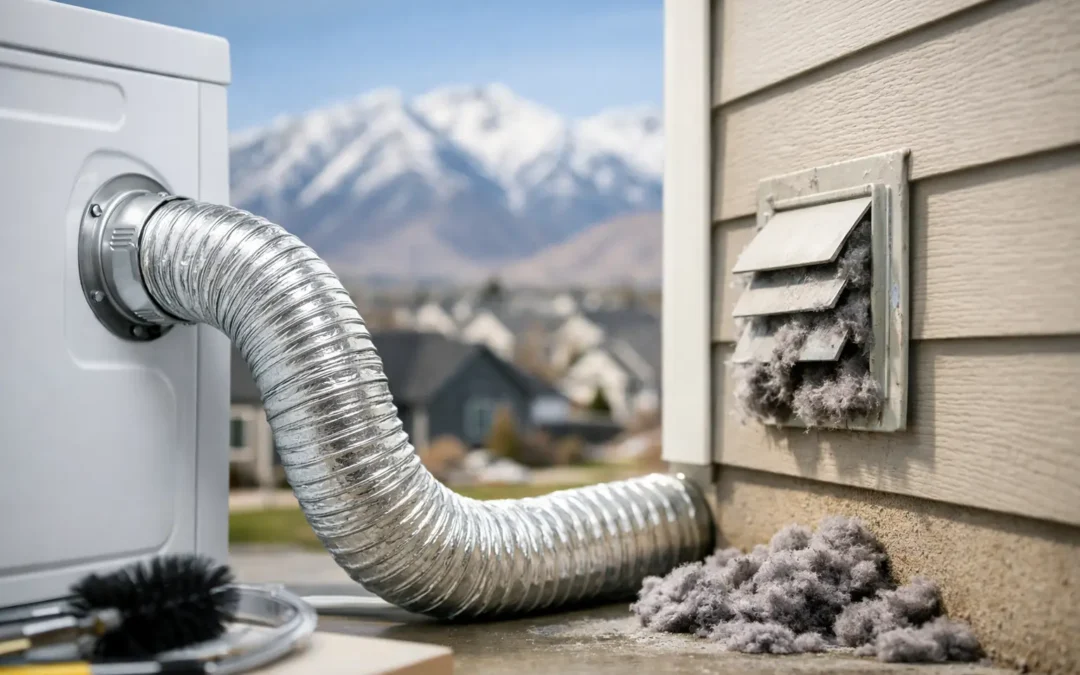
A load of laundry should leave clothes dry, not leave behind a burning smell, a hot laundry room, or a costly repair. This dryer vent safety guide helps homeowners, property managers, and facility teams recognize the warning signs of restricted airflow before a small maintenance issue becomes a serious fire risk.
Dryers create lint with every cycle. The lint screen catches a portion of it, but fine fibers still move into the vent system. Over time, lint can collect in the duct, at elbows, around exterior termination points, and inside the dryer itself. When airflow is restricted, heat builds up, drying times increase, and the appliance works harder than it should.
Why Dryer Vent Safety Deserves Attention
A dryer vent is not simply a hose behind an appliance. It is a pathway that must carry warm, moist air and lint safely outside the building. If that pathway is crushed, disconnected, too long, poorly routed, or full of lint, the dryer cannot operate as designed.
The risk is higher in properties where dryers run frequently. Apartment communities, shared laundry rooms, salons, hotels, fitness facilities, and busy family homes can produce a surprising amount of lint in a short period. A vent that looked clear last year may not be clear today.
Utah’s dry climate can also make lint more noticeable around exterior vent covers and on laundry room surfaces. While weather does not cause lint buildup on its own, outdoor debris, bird nests, snow, and windblown material can obstruct the exit point. The solution is not guesswork. It is regular inspection, good habits, and professional cleaning when the system needs it.
Warning Signs Your Dryer Vent May Be Restricted
The most common sign is longer drying time. If towels, jeans, or normal loads suddenly need two or three cycles, restricted venting may be the cause. A dryer can still produce heat while moving very little air, so hot clothes do not necessarily mean the system is working correctly.
Pay attention to changes around the appliance. Excessive heat in the laundry room, a burning or musty odor, visible lint behind the dryer, and unusual humidity are all reasons to investigate. Outside, the vent hood should release a steady flow of warm air while the dryer is running. Weak airflow or no airflow may mean the duct is blocked, disconnected, or damaged.
For multi-unit and commercial properties, inconsistent drying results can be an early operational warning. Tenants or employees may report that machines are taking longer, laundry rooms feel unusually warm, or dryers shut off before a load is dry. These complaints should be handled as a maintenance concern, not dismissed as normal appliance aging.
Dryer Vent Safety Guide: Habits That Reduce Risk
The best prevention starts at the lint screen. Clean it before every load, not only when it looks full. Fabric softener residue can form a thin film on the screen and reduce airflow, even when the screen appears clean. Washing the screen occasionally with warm water, mild soap, and a soft brush can help restore proper airflow. Let it dry fully before reinstalling it.
Do not run a dryer when you are leaving the property or going to sleep. Most loads finish without incident, but a dryer is a heat-producing appliance. Being nearby gives you the chance to respond if you notice a smell, unusual noise, overheating, or a malfunction.
Keep the area around the dryer clear. Laundry baskets, cardboard boxes, cleaning supplies, and stored items can restrict access, collect lint, or create extra fuel if a fire occurs. The space behind the dryer matters too. A flexible connector that is kinked or crushed can severely reduce airflow.
Use only duct materials suited for dryer exhaust. Smooth, rigid metal ducting is generally the preferred option for long runs because it supports airflow and is easier to clean. Short sections of approved flexible metal transition duct may be appropriate directly behind an appliance when needed for access. Plastic or foil-style accordion ducts can trap lint, sag, tear, and create more resistance. The correct setup depends on the building layout and local code requirements.
What a Safe Vent System Should Do
A well-functioning dryer vent moves exhaust outdoors efficiently, with as few turns and restrictions as practical. The exterior termination should open freely while the dryer is operating and close when it is not. It should not be covered by a screen that catches lint, nor should it discharge into an attic, garage, crawlspace, wall cavity, or indoor room.
Long vent runs need closer attention. Every bend adds resistance, and sections hidden in walls or ceilings are easy to overlook. A newer dryer may also have different airflow requirements than the appliance it replaced. When properties are remodeled, laundry equipment is relocated, or machines are upgraded, the vent path should be evaluated rather than assumed to be adequate.
For commercial and multi-family buildings, each machine should have a clear, properly designed exhaust route. Shared or improperly connected venting can create performance and safety concerns. Regular maintenance records are especially useful for property managers because they help establish service intervals, document recurring problems, and prevent emergency calls.
How Often Should Dryer Vents Be Cleaned?
There is no single schedule that fits every property. A lightly used household dryer may need a full vent cleaning about once a year. A large family, pet owner, or household that does frequent laundry may need service more often. Multi-unit properties and commercial laundry operations often require a more structured maintenance plan based on usage, vent length, equipment type, and past buildup.
The right interval depends on performance, not the calendar alone. If drying time starts creeping up before the next planned service, it is worth having the vent inspected. Waiting for a complete blockage is never the cost-effective choice.
A professional service should address more than the visible opening. The technician should clean the vent pathway, examine accessible connections, check airflow, and identify issues such as crushed ducting, loose joints, damaged transition sections, or exterior obstructions. In some situations, a video inspection can help locate a problem in a long or concealed run.
A Quick Safety Check Between Professional Visits
Use this short check monthly, and more often in high-use laundry areas:
- Clean the lint screen before each load and remove lint from the screen housing when accessible.
- Look behind the dryer for crushed, loose, or damaged vent connections.
- Run the dryer and confirm that warm air is exhausting outdoors.
- Check the exterior vent hood for lint, nests, leaves, snow, or a flap that will not open.
- Watch for longer drying cycles, excess heat, moisture, or unusual odors.
Do not attempt to disassemble dryer components or force tools deep into a vent if you are unsure of the layout. That can damage the duct, disconnect a concealed joint, or push lint farther into a blockage. A basic visual check is helpful. Diagnosis and thorough cleaning are better left to trained professionals when a concern appears.
When to Call for Dryer Vent Service
Call for professional service promptly if the dryer becomes hot to the touch, repeatedly stops mid-cycle, gives off a burning odor, or shows a sudden drop in performance. Turn the appliance off and discontinue use if you suspect a significant blockage or overheating issue.
Property managers should also schedule service after tenant turnover when a laundry area has been neglected, after construction work near vent routes, or when exterior vent covers have been damaged. These are practical opportunities to correct issues before they affect the next resident or create an after-hours maintenance problem.
Wadley Services provides dryer vent cleaning as part of a broader property care approach for homes and facilities across Utah. For customers who value dependable workmanship, combining dryer vent service with other scheduled maintenance can make seasonal property care easier to manage.
A clear dryer vent supports safer operation, better dryer performance, and fewer surprises in the laundry room. When the warning signs show up, acting early protects the appliance, the property, and the people who rely on it.
Recent Comments