
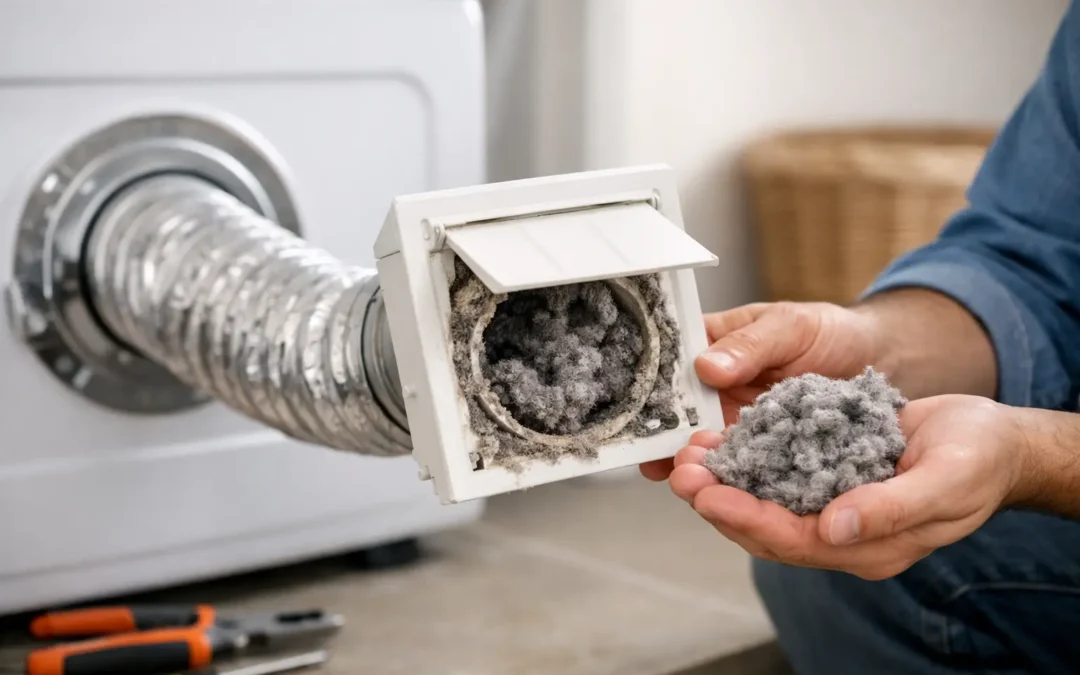
A load that once dried in 45 minutes but now needs two or three cycles is more than an inconvenience. It is often one of the clearest answers to how to tell if a dryer vent is clogged. When lint, nesting material, or a damaged vent line restricts airflow, your dryer has to work harder, your utility costs can rise, and heat can build where it should not.
Dryer vent problems are common in homes, apartments, rental properties, and commercial laundry areas. They can develop gradually, which makes them easy to overlook until the dryer begins performing poorly. Recognizing the warning signs early gives you the opportunity to correct the issue before it turns into a safety concern or an expensive appliance repair.
How to Tell if a Dryer Vent Is Clogged
The most reliable clue is a change in drying time. A properly vented dryer should move warm, moist air outside efficiently. If clothing comes out damp after a normal cycle, or towels and heavier items consistently need extra time, restricted airflow may be the reason.
A single slow load does not always mean the vent is blocked. An overloaded dryer, a high-moisture load, or an appliance setting can affect results. But when slow drying becomes a pattern across several loads, it is time to inspect the lint screen, exterior vent hood, and vent system.
Excess heat is another warning sign. The dryer cabinet, laundry room, or clothing may feel noticeably hotter than usual after a cycle. A dryer naturally produces heat, but that heat needs a clear path out of the building. When the vent is restricted, some of it can remain around the appliance and inside the ductwork.
You may also notice a musty smell in clothes or in the laundry area. Moist air that cannot exhaust properly can linger in the system, and laundry may not dry completely. In some cases, a hot or slightly burning odor can signal lint overheating. If you smell burning, stop using the dryer and arrange for a qualified inspection rather than running another test cycle.
Warning Signs Outside the Laundry Room
The exterior vent hood can tell you a great deal about the condition of the system. While the dryer is running, go outside and look for a steady release of warm air. The hood flap should open freely. Little to no airflow, a flap that barely moves, or visible lint collecting around the opening may indicate a blockage or damaged vent cover.
Birds, insects, and small animals may try to use an unprotected exterior vent opening as shelter. Utah’s changing seasons can also leave exterior hoods exposed to windblown debris, snow, and moisture. A vent hood that is stuck, crushed, covered, or filled with nesting material cannot do its job safely.
Pay attention to moisture as well. Condensation on nearby windows, walls, or surfaces during dryer use can mean humid air is not leaving the home as it should. In a multi-unit property, tenants may report unusually warm laundry rooms, damp clothes, or recurring dryer shutoffs. These concerns deserve prompt attention, especially when several residents depend on the same laundry equipment.
Other signs that should not be ignored include these four conditions:
- Lint accumulates around the dryer, behind the appliance, or near the exterior vent outlet.
- The dryer stops mid-cycle or displays an overheating or airflow-related warning.
- The laundry room feels unusually humid after the dryer runs.
- The dryer has needed more frequent repairs or its thermal fuse has failed.
Each symptom can have another cause, but together they point strongly toward poor venting. A professional inspection can separate a simple maintenance need from an appliance problem, a crushed transition hose, or a longer obstruction in the duct run.
Why Cleaning the Lint Screen Is Not Enough
Cleaning the lint screen after every load is necessary, but it only removes lint from one part of the system. Fine lint passes beyond the screen over time and can settle inside the transition hose, wall duct, elbows, and exterior termination. The longer and more complex the vent route, the more opportunities there are for lint to collect.
Many homeowners can safely remove and clean the lint screen. They can also vacuum loose lint from the screen housing with appropriate care. What they should not do is force a household vacuum hose, improvised tool, or leaf blower into a concealed vent line. That approach may compact lint farther into the duct, disconnect a joint, or damage flexible material behind the wall.
Flexible plastic or foil-style vent connectors deserve particular attention. They can sag, tear, and trap lint. A properly installed metal transition duct is generally a safer choice, but even a metal duct needs regular cleaning and secure connections. Moving a dryer without disconnecting power or gas service correctly can create additional risk, so this is often better handled by a trained technician.
When a Clogged Vent Becomes a Safety Issue
Lint is highly combustible. When airflow is limited, the dryer may run hotter and longer, increasing the chance that lint near the appliance or inside the vent system will overheat. That does not mean every clogged vent will cause a fire, but it does mean the risk is real enough to take seriously.
Stop using the dryer and schedule service promptly if you notice a burning smell, repeated overheating, smoke, visible scorching, or a dryer that is extremely hot to the touch. Do not assume the issue will resolve itself after the machine cools down. Continued use can worsen the blockage and place more strain on the appliance.
For property managers and commercial facilities, dryer vent maintenance is also a practical risk-management step. Shared laundry equipment often handles more cycles than a single-family home dryer, so lint can build up faster. Documented maintenance helps protect equipment, reduce resident complaints, and support a safer building operation.
What a Professional Dryer Vent Cleaning Should Address
A thorough dryer vent service is more than removing lint from the visible end of the pipe. The technician should assess the complete route from the dryer connection to the exterior termination. That includes checking for restricted airflow, disconnected sections, crushed ducting, excessive bends, and exterior hood problems.
The right approach depends on the property. A short, straight ground-level vent may be relatively simple to clean. A roof-terminated vent, a long run through multiple floors, or a system serving commercial equipment requires more planning, proper equipment, and safe access practices. In some cases, cleaning reveals a design or installation problem that should be repaired to prevent recurring restrictions.
At Wadley Services, dryer vent cleaning is handled with the same focus on safety, craftsmanship, and dependable results that property owners expect from a full-service maintenance partner. For homes, rentals, and business facilities across Utah, professional service can help restore airflow without guessing at what is hidden behind the wall.
How Often Should Dryer Vents Be Checked?
For many households, an annual dryer vent inspection and cleaning is a sensible baseline. Larger families, pet owners, homes that run frequent laundry loads, and properties with long vent routes may need service more often. If your dryer has shown any of the warning signs above, do not wait for the annual schedule.
Commercial and multi-unit properties should base service frequency on actual usage, equipment type, and vent layout. A shared laundry room may need a maintenance plan that accounts for substantially higher volume. Regular service is usually less disruptive and less costly than responding after equipment begins failing or residents report problems.
Your dryer should dry efficiently, vent warm air outdoors, and operate without excessive heat or odors. If it is not doing those things, treat the change as a maintenance signal. A timely inspection can protect your appliance, help control energy use, and keep a small lint problem from becoming a larger safety concern.
Recent Comments