
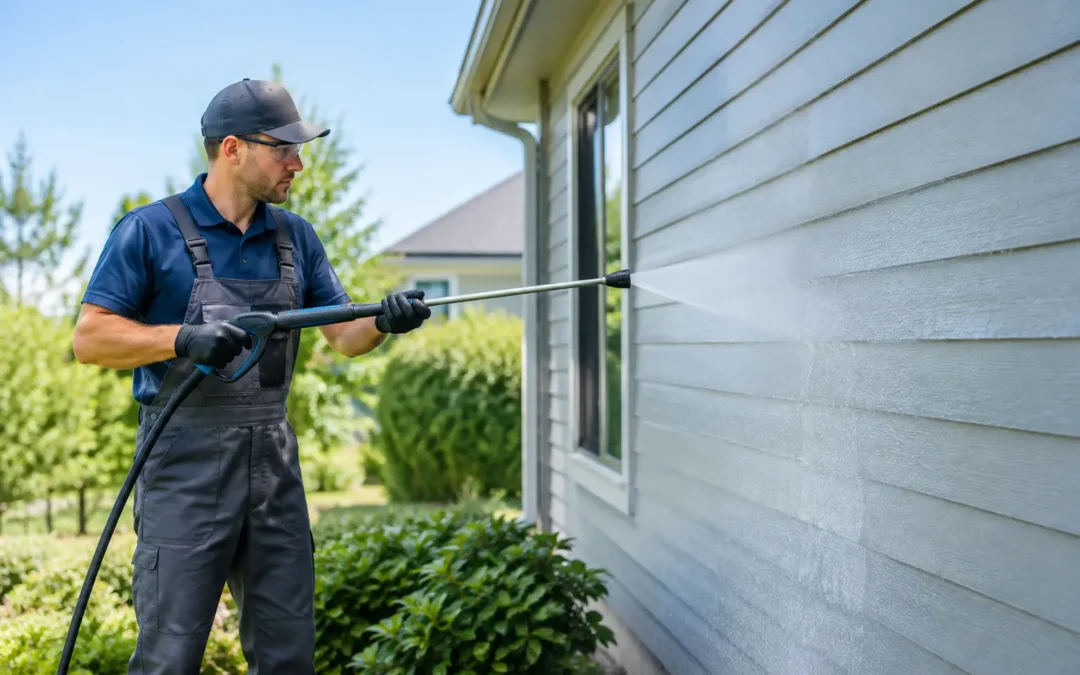
A dusty stucco wall, salt-stained entryway, or streaked bank of windows does not always need a high-volume wash to look right again. Low water cleaning uses the amount of water the job actually requires, along with the right cleaning solution, tools, pressure, and rinse process. For Utah homeowners and property managers, that approach can improve results while helping protect landscaping, building materials, and nearby hard surfaces.
What Low Water Cleaning Really Means
Low water cleaning is not the same as cleaning without water. It means reducing unnecessary water use by matching the method to the surface and the type of soil being removed. A technician may use targeted application, controlled rinsing, purified water, microfiber tools, soft washing, vacuum recovery, or dry-cleaning methods depending on the work.
The goal is not simply to use less water. The goal is to remove dirt, organic growth, mineral buildup, grease, dust, and other contaminants without causing damage or leaving behind residue. When the process is selected carefully, a lower-water approach can be more effective than spraying an area heavily and hoping force alone solves the problem.
This matters throughout Utah, where dry conditions, windblown dust, hard-water minerals, snowmelt, de-icing products, and changing temperatures all affect exterior surfaces. A property needs a cleaning plan that accounts for those conditions, not a one-size-fits-all setting on a pressure washer.
Where Low Water Cleaning Works Best
Windows are one of the clearest examples. Pure-water window cleaning systems use filtered water to lift away dirt and rinse glass without the spotting that can occur when mineral-heavy water dries on the surface. For upper-story windows and large commercial glass, water-fed poles can also reduce the need for lifts or ladders in some situations, helping crews work efficiently while maintaining safe access practices.
Low-water methods can also work well on building exteriors with light to moderate dust, cobwebs, pollen, and surface grime. Soft washing applies a cleaning solution at low pressure, allows it time to work, and uses a measured rinse. This is often a safer choice for painted surfaces, siding, stucco, delicate trim, and areas where excessive pressure could force water behind finishes or scar the material.
Interior specialty cleaning may use even less water. Drapery, blinds, upholstery, and other fabrics can require controlled moisture or specialized on-site fabricare methods rather than saturation. The right process helps avoid long drying times, shrinkage, color transfer, and disruption to a home or occupied commercial space.
Low Water Cleaning Is Not Always the Right Choice
A responsible cleaning company should not promise that every job can be done with minimal water. Some surfaces need a fuller rinse to remove cleaning products completely. Heavy grease in a dumpster enclosure, deeply embedded grime on concrete, thick mud, or extensive organic growth may call for more water, higher pressure, hot water, or a combination of methods.
The condition of the surface matters just as much. Older concrete can be porous and fragile. Oxidized siding can show streaks if cleaned improperly. Natural stone may react poorly to the wrong chemical. Damaged caulking, loose paint, cracked mortar, or failing sealant can allow moisture into areas where it does not belong.
That is why the best approach begins with an inspection. A trained technician should identify the material, the source of the staining, drainage conditions, surrounding landscaping, and any existing damage before recommending a method. Using less water is worthwhile only when it does not compromise the cleaning result or the condition of the property.
Why Method Matters More Than Water Volume
When a surface is cleaned correctly, water is one part of a larger process. The cleaning solution must be appropriate for the material and the contaminant. Dwell time gives the solution time to loosen buildup. Agitation may be needed for stubborn areas. Rinsing removes the remaining soil and product. Each step affects the finished result.
For example, pressure alone may temporarily remove visible algae from a walkway, but it may not address what is feeding the growth. A properly selected treatment can do more of the cleaning work before the rinse begins, reducing the need for aggressive pressure. On the other hand, a concrete pad with oil stains may need targeted degreasing and controlled hot-water cleaning to achieve a meaningful improvement.
The difference is craftsmanship. A crew that understands surfaces knows when to turn down the pressure, when to use a brush, when to allow additional dwell time, and when a job requires a more substantial rinse. That judgment protects the property and helps prevent repeat problems.
Protecting Landscaping, Drainage, and Occupied Spaces
Water use is closely tied to runoff control. During exterior cleaning, crews should be aware of where rinse water travels, especially near planting beds, storm drains, sidewalks, entryways, and parking areas. Pre-wetting sensitive landscaping when appropriate, using products responsibly, and directing water away from vulnerable areas are practical steps that help protect the site.
For commercial properties, scheduling also matters. Cleaning a storefront entry, walkways, parking areas, or windows during lower-traffic hours can reduce interruptions and allow time for surfaces to dry. Property managers need work completed efficiently, but they also need clear walkways, safe access, and professional communication with tenants and visitors.
Inside a home or business, controlled-moisture cleaning can limit downtime. Draperies, blinds, and specialty fabrics should not leave an occupied space damp for days. Air duct and dryer vent work also requires a process that contains dust and debris rather than moving it into living or working areas. The cleanest-looking result is not enough if the work creates an avoidable mess or safety concern.
A Better Fit for Recurring Property Maintenance
Low water cleaning often makes the most sense as part of a consistent maintenance plan. When windows, gutters, exterior surfaces, and high-use areas are cared for before buildup becomes severe, cleaning can be more controlled and less disruptive. Regular service also helps identify concerns such as overflowing gutters, failing downspouts, damaged screens, blocked dryer vents, or areas where water is repeatedly pooling.
For a homeowner, that may mean scheduling window cleaning before seasonal entertaining or addressing gutters before winter weather. For a multi-unit or commercial property, it may mean establishing a practical rotation for common-area windows, entryways, exterior washing, and specialty services. The right frequency depends on the building’s exposure, landscaping, traffic, and use.
A busy road, construction activity, mature trees, nearby agriculture, or a high-traffic entrance can all increase cleaning needs. There is no benefit in treating every property the same. A maintenance plan should reflect what the property actually experiences throughout the year.
Questions to Ask Before Scheduling Service
Before hiring a cleaning provider, ask how they will assess the surface and select the method. A dependable contractor should be able to explain whether the work calls for soft washing, pressure washing, purified-water window cleaning, specialty fabric care, or another process. They should also be prepared to discuss access, safety measures, anticipated results, and any limitations created by existing surface damage.
It is reasonable to ask how the crew protects landscaping, manages runoff, and keeps work areas safe. For commercial facilities, ask about scheduling, insurance, employee training, and communication during the project. The lowest quote is not always the lowest overall cost if improper cleaning leaves marks, damages finishes, or requires another company to correct the work.
Look for a provider that treats cleaning as property care, not just surface washing. Certifications, safety practices, trained technicians, and clear estimates are signs that a company takes responsibility for the work being performed.
Low Water Cleaning Starts With a Careful Assessment
The best cleaning method is the one that leaves your property cleaner, safer, and better protected without using more water or more force than necessary. Sometimes that means a light, controlled rinse. Sometimes it means specialized treatment and a thorough wash. The right answer depends on the surface, the buildup, and the conditions around it.
For Utah properties that need dependable exterior, specialty interior, or recurring maintenance support, Wadley Services approaches each job with that level of care. A clear assessment and a straightforward quote are the right place to start when you want work done safely, correctly, and with respect for your property.
Recent Comments