
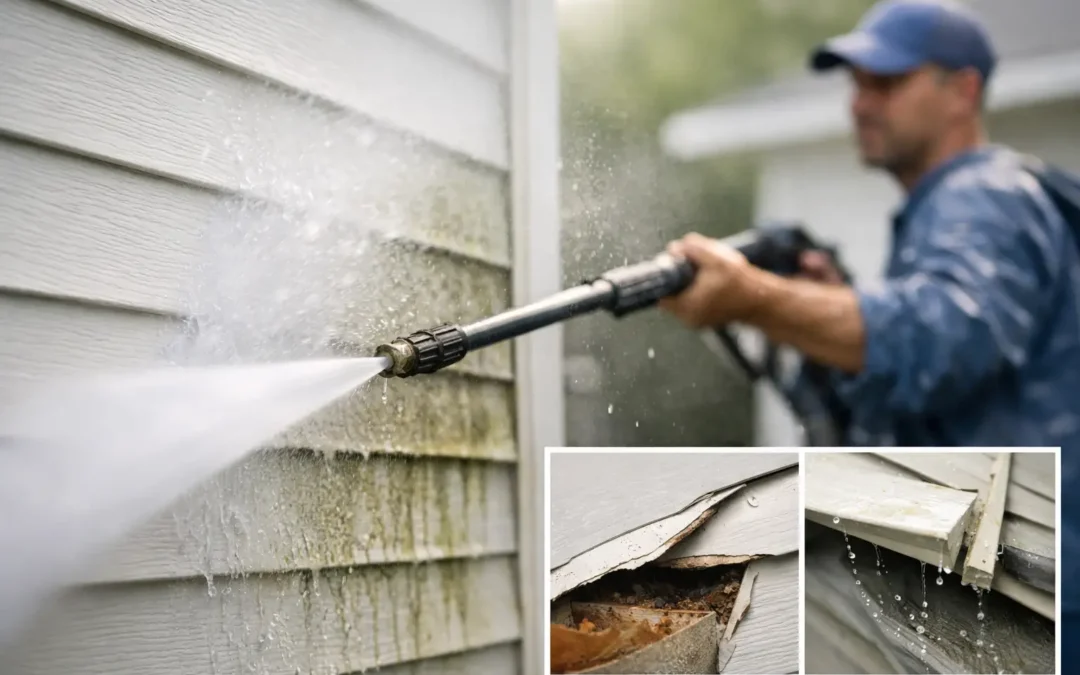
A clean exterior makes a home or commercial property look cared for, but siding is not a surface to treat casually. Homeowners often search “is pressure washing safe siding” after noticing mildew, dust, spider webs, or streaks that ordinary rinsing will not remove. The short answer is yes, pressure washing can be safe for siding when the method, water pressure, cleaning solution, and technician all match the material. Used carelessly, it can force water behind panels, remove paint, damage caulking, or leave permanent marks.
For most siding, the safest goal is not maximum pressure. It is a thorough clean that protects the building envelope and leaves the surface looking its best.
Is Pressure Washing Safe for Siding?
Pressure washing is generally safe for sturdy, well-maintained siding when performed at an appropriate setting and from the proper distance. That does not mean every exterior should receive the same treatment. Vinyl, fiber cement, painted wood, stucco, brick, and engineered wood products each react differently to pressure, detergents, and water exposure.
A professional technician starts by looking at the siding condition. Loose panels, cracked trim, failing caulk, peeling paint, damaged window seals, and exposed electrical fixtures can all change the cleaning plan. Cleaning over existing damage can make it worse, even when the machine is operated correctly.
In many cases, soft washing is the better answer. Soft washing uses low-pressure water and exterior-safe cleaning solutions to loosen algae, mildew, dirt, and organic staining. The solution does much of the work, while the rinse removes residue without blasting the siding. This approach is especially useful for delicate finishes, painted surfaces, and homes with visible signs of age or wear.
Why High Pressure Can Damage Siding
The risk is not only a visible gouge or broken panel. Water can enter places it was never designed to reach. If a pressure washer is aimed upward beneath vinyl siding laps, around window trim, or into cracks in exterior sealant, water may get behind the siding. That can contribute to moisture problems in the wall system, including mold, rot, insulation damage, or staining.
High pressure can also strip oxidation from vinyl siding unevenly. Oxidation is the chalky film that develops as vinyl ages. Removing it in patches may leave streaks or noticeably cleaner areas that do not blend with the rest of the wall. On painted wood or fiber cement, overly aggressive washing can lift paint and expose the substrate to moisture.
There is also a difference between removing dirt and removing the surface itself. A narrow, concentrated spray tip can cut into soft wood, damage weathered trim, scar aluminum, and etch certain masonry surfaces. The damage may not be obvious until the siding dries in full sunlight.
The Right Cleaning Method Depends on the Siding
Vinyl Siding
Vinyl siding is durable, but it is not invincible. A low-pressure wash combined with the right cleaning solution can remove common Utah dust, pollen, mildew, and insect buildup safely. The spray should be directed downward or straight across the panels, never upward into the laps.
Vinyl may also discolor or warp if it is exposed to excessive heat or unsuitable chemicals. A careful cleaner tests a small area first and rinses thoroughly. If the siding has heavy oxidation, a gentler approach is necessary to avoid uneven results.
Fiber Cement and Painted Siding
Fiber cement siding can withstand exterior cleaning, but painted finishes require care. The surface should be inspected for peeling paint, open seams, or cracks before washing begins. Low pressure is usually the safer choice, particularly on older paint systems.
If paint is already failing, washing will not fix the underlying issue. It may reveal just how much preparation is needed before repainting. That is useful information, but property owners should expect it and avoid treating pressure washing as a substitute for repairs.
Wood Siding
Wood calls for the most caution. Too much pressure can raise the grain, leave wand marks, drive water into joints, or strip stain and paint. Cedar, redwood, and older wood siding can be especially vulnerable.
A controlled soft wash is often the preferred method for wood. It removes organic growth and grime while limiting saturation and surface damage. Proper drying time matters before staining, painting, or sealing the exterior.
Stucco, Brick, and Stone
Masonry may look indestructible, but older brick, soft mortar, damaged stucco, and decorative stone can be harmed by high-pressure washing. Pressure can erode mortar joints, chip failing stucco, and drive water through cracks.
For these materials, the condition of the surface matters as much as the material itself. A newer, sound brick wall may tolerate more cleaning force than an older wall with crumbling mortar. Cleaning should be adjusted to the property, not based on a one-size-fits-all setting.
Signs You Should Not Pressure Wash Yet
Before scheduling exterior cleaning, walk around the property and look for obvious maintenance concerns. If you see loose siding, missing caulk, cracked window trim, peeling paint, open gaps, or damaged exterior fixtures, address those issues first when possible. Pressure washing can be safely completed around many minor defects, but the cleaner needs to know where they are.
You should also be cautious if water has leaked into the property before, if the siding is very old, or if there is visible rot. In those situations, a professional inspection and a softer cleaning method may prevent a small maintenance issue from becoming a larger repair.
What Professional Siding Cleaning Should Include
Safe siding cleaning is a process, not simply turning on a machine. The technician should identify the siding material, assess existing damage, protect nearby landscaping, and use a cleaning solution that is appropriate for the stains being removed. Windows, doors, vents, outlets, exterior lights, and other sensitive areas require special attention.
The pressure setting, nozzle, and distance from the surface should be selected for the job at hand. A reliable technician also manages runoff, rinses thoroughly, and avoids spraying water into vulnerable seams. On a larger commercial building or multi-unit property, the plan should account for pedestrian areas, tenant access, parking, landscaping, and property operations.
This is why the lowest price is not always the best value. A rushed job with excessive pressure can create costs that far outweigh the price of proper cleaning. The right service protects the appearance and condition of the property at the same time.
Can You Clean Siding Yourself?
Light dirt can often be handled with a garden hose, a soft brush, and a manufacturer-approved cleaner. This may be enough for routine upkeep on a small area. If you use a pressure washer yourself, avoid the highest settings, keep the nozzle moving, maintain a safe distance, and test an inconspicuous section first.
Do not use a ladder while operating a pressure washer. The force of the spray can affect your balance, and wet surfaces add another hazard. Avoid spraying directly at windows, soffit vents, electrical fixtures, dryer vents, door seals, and siding seams.
DIY cleaning becomes less practical when staining covers multiple sides of a building, algae has returned repeatedly, the property has several stories, or you are unsure what the siding is made of. Those are situations where trained equipment handling and material knowledge make a real difference.
A Safer Way to Restore Your Exterior
Pressure washing is safe for siding when it is treated as a skilled maintenance service rather than a high-powered rinse. The best method may be low-pressure washing, soft washing, targeted spot treatment, or a combination of approaches based on the material and condition of the exterior.
For Utah homeowners, property managers, and commercial facilities, Wadley Services provides exterior cleaning with the care required to protect the surfaces you rely on. A professional assessment can help determine the safest way to remove buildup, improve curb appeal, and keep your property looking well maintained without taking unnecessary risks.
Recent Comments