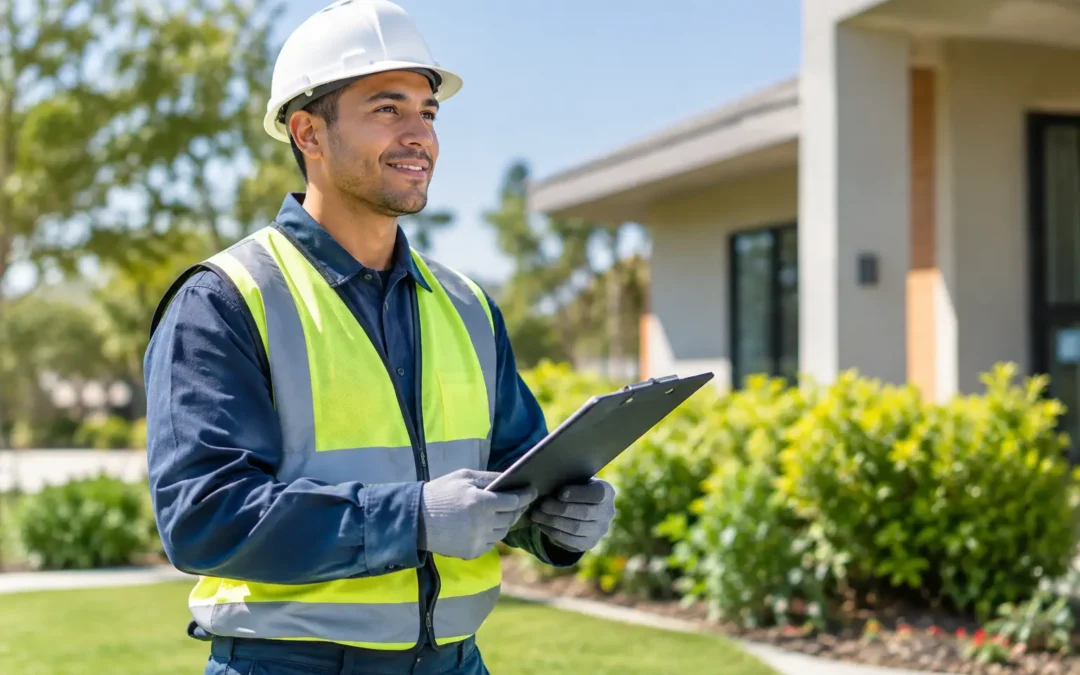
A clean building should never come at the expense of a worker’s safety. Whether a crew is cleaning high windows, clearing gutters, pressure washing a storefront, or servicing dryer vents, OSHA compliance helps ensure the work is planned, performed, and finished with care for everyone on site.
For homeowners and property managers, safety practices are more than a contractor’s internal concern. They affect liability, job quality, tenant experience, project timing, and the condition of the property itself. A company that treats safety as part of the job is more likely to protect your people, your building, and its surrounding areas.
What OSHA Compliance Means for Property Care
OSHA compliance refers to following workplace safety requirements established by the Occupational Safety and Health Administration. In Utah, workplace safety enforcement is administered through the Utah Occupational Safety and Health program, often called UOSH. Employers are responsible for providing a workplace free from recognized serious hazards and for training employees to perform their work safely.
For exterior cleaning and maintenance, compliance is not one checklist that applies equally to every property. The right procedures depend on the work being completed, the equipment required, weather conditions, building height, site traffic, and access to the work area.
A ground-level pressure washing job has different risks than a multi-story window cleaning project. Cleaning interior draperies requires a different approach than inspecting a commercial dryer vent system. Good safety planning accounts for those differences before equipment arrives at the property.
Why Safety Standards Matter to Owners and Managers
A vendor may be working on your property, but an unsafe job can still create problems for your staff, tenants, customers, visitors, and operations. A blocked entryway, an unsecured ladder, wet pavement, or poorly managed equipment can turn routine maintenance into an avoidable disruption.
Safety-minded service providers begin by looking at the full work area, not just the task at hand. They identify vehicle traffic, pedestrian routes, electrical hazards, overhead lines, landscaping, fragile surfaces, and places where water or debris could create a slip hazard. Then they set up the job to keep people separated from the active work zone.
This preparation also supports better workmanship. When crews have the right access equipment, protective gear, and clear procedures, they can focus on the details that make the property look and function better. Rushing to save a few minutes often creates the conditions for damage, missed work, or a preventable incident.
The Safety Practices You Should Expect
You do not need to become a safety expert to choose a responsible maintenance partner. You should, however, expect a provider to explain how it will protect people and property during the job.
Fall Protection and Ladder Safety
Falls are among the most serious hazards in exterior maintenance work. Window cleaning, gutter service, roof-adjacent work, and high-access pressure washing all require careful decisions about ladders, lifts, anchorage, and fall protection.
The safest solution is not always a ladder. Depending on the height, site layout, and duration of the work, a crew may need aerial access equipment or another method that provides greater stability. When ladders are appropriate, they should be inspected, placed on stable ground, secured as needed, and used according to their intended purpose. Workers should not overreach, stand on unsafe ladder positions, or improvise access with furniture, buckets, or other unsuitable supports.
Property owners can help by making crews aware of soft ground, irrigation boxes, uneven walkways, roof access limitations, and overhead power lines. Those details may change the safest way to perform the work.
Equipment, Chemicals, and Surface Protection
Pressure washers, extension poles, vacuums, duct-cleaning equipment, and other specialty tools must be maintained and used correctly. Electrical cords should be protected from water and foot traffic. Hoses should be routed to reduce tripping hazards. Equipment should not be left where customers or residents can access it.
Cleaning products also deserve attention. Some jobs require detergents, degreasers, antimicrobial treatments, or other solutions that must be stored, labeled, and applied properly. The goal is not simply to clean a surface. It is to use the right product and method without creating unnecessary exposure risks for occupants, pets, landscaping, or sensitive finishes.
A qualified provider should be able to discuss the products used, where they will be applied, and any reasonable precautions needed while the work is underway. This is particularly valuable in medical offices, schools, restaurants, multifamily properties, and homes with young children or animals.
Work Zones and Public Safety
Commercial properties and multifamily communities add another layer of responsibility because the work happens around other people. Employees, residents, deliveries, and customers may be moving through the area throughout the day.
A well-managed crew uses cones, signs, barriers, and clear communication to control access near active work. Wet surfaces should be identified before someone steps into them. Entrances should remain usable whenever possible, and alternate routes should be communicated when they are not. For larger projects, the provider should coordinate timing with the property contact so the work causes the least practical disruption.
Training Is More Valuable Than a Paper Claim
Certifications, safety policies, and insurance matter, but they only help when they are put into practice. The people performing the work need task-specific training, an understanding of the equipment, and the authority to stop when conditions become unsafe.
Weather is a good example. Utah properties can face high winds, icy conditions, sudden storms, intense summer heat, and winter freeze-thaw cycles. A job that was safe to perform in the morning may not be safe by the afternoon. A dependable provider does not ignore changing conditions simply to stay on schedule.
The same principle applies to unexpected site conditions. A damaged gutter, unstable soil, a wasp nest, an exposed electrical connection, or a blocked roof access point can require a change in plan. That may mean rescheduling part of the work or using different equipment. While a delay can be inconvenient, it is usually the right trade-off when safety or property protection is at stake.
Questions to Ask Before Hiring a Maintenance Provider
Before approving a project, ask how the company plans to access the work area and protect people nearby. Ask whether its team is trained for the specific service you need, especially for elevated work, commercial sites, dryer vent cleaning, or specialty interior cleaning.
It is also reasonable to ask about insurance, employee training, and how the crew handles changing weather or unexpected hazards. A professional company will not treat these questions as an obstacle. It will see them as part of responsible planning.
For recurring service, establish a clear point of contact and share property updates that could affect safety. Construction activity, tenant events, parking changes, gate codes, damaged walkways, and landscaping changes can all affect access. Good communication allows the maintenance team to arrive prepared rather than making decisions on the fly.
OSHA Compliance Supports Long-Term Property Care
Property maintenance works best when it is consistent. Routine window cleaning, gutter service, pressure washing, duct cleaning, and inspections can help prevent buildup, drainage problems, reduced airflow, and premature wear. But routine work should never become casual work.
A provider that follows safety procedures on every visit is showing the same discipline it brings to the details of the service itself. At Wadley Services, that means treating each property with respect, using trained crews and appropriate equipment, and taking pride in work completed the right way.
When you request a quote, share the full scope of the property and any access concerns from the start. The right plan protects the people doing the work, keeps your property operating smoothly, and gives you greater confidence each time maintenance is scheduled.
Recent Comments