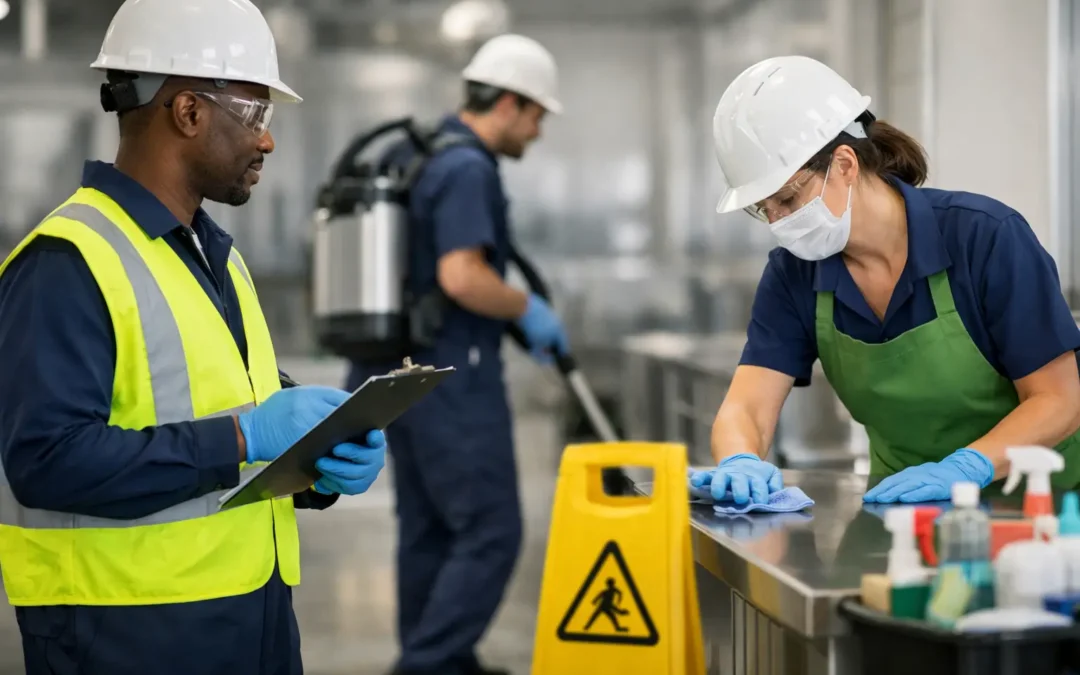
A cleaner arrives at your facility, but no one can explain how they will handle a wet entryway, reach high glass, move equipment, or store chemicals after the work is done. That is not a small detail. It is a risk to your employees, tenants, visitors, building, and schedule. An OSHA compliant cleaning company brings more than cleaning supplies to the job. It brings a safety-minded process that helps protect the people and property in its care.
For homeowners, property managers, and business owners, hiring a safety-conscious provider is part of protecting a valuable asset. The right company should make your property look cared for while treating safe work practices as part of the workmanship, not an afterthought.
What OSHA Compliance Means for Cleaning Work
OSHA, the Occupational Safety and Health Administration, sets workplace safety requirements designed to reduce injuries and hazards. Cleaning work can involve more risk than people expect. Crews may work on ladders, use pressure washing equipment, handle cleaning products, access roofs or elevated areas, work around traffic, and perform tasks near building occupants.
An OSHA-compliant approach means the company has procedures intended to address those hazards. Depending on the service, that can include employee training, proper personal protective equipment, chemical labeling and safety information, ladder and fall-protection practices, equipment inspections, and clear communication around active work areas.
Compliance is not a vague promise or a logo on a truck. It should show up in the way a crew prepares for the job, protects the work zone, uses equipment, and responds when conditions change. A professional provider understands that a task that looks routine can become unsafe because of wind, ice, uneven ground, electrical hazards, vehicle traffic, or a busy public entrance.
Why an OSHA Compliant Cleaning Company Matters
A clean property supports curb appeal, tenant satisfaction, and a better experience for customers and guests. But the work should never create avoidable hazards. Safety practices help reduce the chance that a crew member, resident, employee, or visitor is injured during service.
For commercial properties, that protection is especially meaningful. A wet-floor sign alone is not enough when a pressure washing crew is working near a loading zone or a window cleaning team is using ladders near public access. The work area must be managed with care. Equipment needs to be appropriate for the task, and the crew needs to know when a condition requires a different plan.
For homeowners, hiring a company that takes safety seriously protects more than the people performing the work. Careful setup can help prevent damage to landscaping, siding, windows, walkways, and exterior fixtures. It also helps ensure that cleaning products are selected and used responsibly around families, pets, and outdoor living spaces.
There is a practical business benefit as well. A company with established safety practices is often better organized overall. It is more likely to arrive prepared, communicate clearly, maintain its equipment, and complete work consistently. Safety and quality are closely connected because both require attention to detail.
Safety Practices You Should Expect
The exact requirements depend on the work being performed. Cleaning interior blinds is not the same as servicing gutters on a multi-story building, and air duct cleaning has different considerations than pressure washing a large commercial walkway. Still, dependable providers should have a clear approach to common hazards.
Trained crews and appropriate equipment
Ask whether technicians are trained for the services they provide and whether the company uses equipment suited to the property. Ladders, lifts, pressure washing systems, vacuums, hoses, and specialty cleaning tools must be used correctly and maintained properly.
A crew should not improvise its way through a difficult access point. If a window, gutter line, or exterior surface requires a safer method, the company should explain the options. That may mean changing equipment, scheduling around weather, using a different access method, or recommending a repair before cleaning can proceed.
Chemical awareness and proper handling
Many cleaning products are useful when handled correctly and problematic when they are not. Professional crews should understand product labels, dilution requirements, ventilation needs, and appropriate storage. They should also know how to prevent incompatible products from being mixed.
This matters for specialty interior work, duct treatment, and exterior cleaning alike. The goal is not simply to use the strongest product available. The goal is to use the right product and process for the surface, soil, occupants, and job conditions.
Fall prevention and ladder discipline
Falls remain one of the most serious risks in property maintenance. Gutter cleaning, high window cleaning, and elevated exterior work require more than a ladder and good intentions. Proper ladder placement, stable footing, weather awareness, and the right fall-protection practices all matter.
Property owners should be cautious of providers who minimize this risk or rush through questions about access. A company that values safety will assess the site before starting. It will not ask an employee to work from unstable surfaces or use a method that puts people at unnecessary risk.
Controlled work areas
Cleaning often takes place where people live, shop, work, or walk. Hoses across a sidewalk, wet concrete near an entrance, equipment in a hallway, and active work near parking areas all require attention.
Expect a professional team to identify the work area, communicate with the appropriate contact, and use reasonable measures to keep people away from active hazards. On a commercial property, coordination with managers and tenants can prevent disruption while helping the crew complete the job safely.
Questions to Ask Before You Hire
You do not need to be a safety expert to evaluate a cleaning provider. A short conversation can reveal whether the company has a disciplined approach or relies on vague assurances.
Ask how its technicians are trained for the specific service you need. Ask how the company handles elevated work, chemicals, slip hazards, and changing weather conditions. For commercial work, ask about insurance, job-site communication, and how crews protect customers and employees in occupied areas.
You can also ask what happens if the technician finds a condition that makes the original plan unsafe. A dependable answer is not always, “We will finish it no matter what.” Sometimes the right answer is to pause, explain the concern, and recommend the safest next step. That can feel less convenient in the moment, but it is usually the better decision for the property and everyone on site.
Be wary of quotes that are dramatically lower than every other option without a clear explanation. Price matters, but a bargain is not a bargain if it comes with uninsured work, poorly maintained equipment, untrained labor, or preventable property damage. The best value comes from work completed correctly, safely, and with respect for your building.
Safety Should Support Better Property Care
At Wadley Services, safety is part of the commitment to doing work the right way. Exterior cleaning, specialty interior cleaning, and recurring maintenance all require crews who understand the job, respect the property, and take care around the people who use it.
That approach is particularly valuable when several services need to be coordinated. A property manager may need windows cleaned, gutters cleared, pressure washing completed, and air ducts or dryer vents serviced over the course of a year. Working with one dependable provider can simplify planning while creating a more consistent standard for job-site communication and safety.
Recurring maintenance also gives providers a chance to spot concerns before they grow. Clogged gutters can contribute to water issues. Dryer vents can accumulate material that restricts airflow. Dirty exterior surfaces can hide deterioration or make walkways more slippery. Cleaning does not replace repairs or inspections, but regular service can help bring developing issues to the owner’s attention.
Choose Accountability, Not Just Availability
The right cleaning company should be ready to explain its process, provide a clear scope of work, and treat your property as if its own name were on the line. Look for a team that is prepared for the conditions of your job, communicates directly, and stands behind the quality of its work.
When you request a quote, describe the property, access conditions, scheduling needs, and any concerns around occupants or sensitive areas. That information helps a qualified provider plan the work responsibly from the first visit. A safer job site and a well-maintained property start with a company that refuses to cut corners.
Recent Comments