
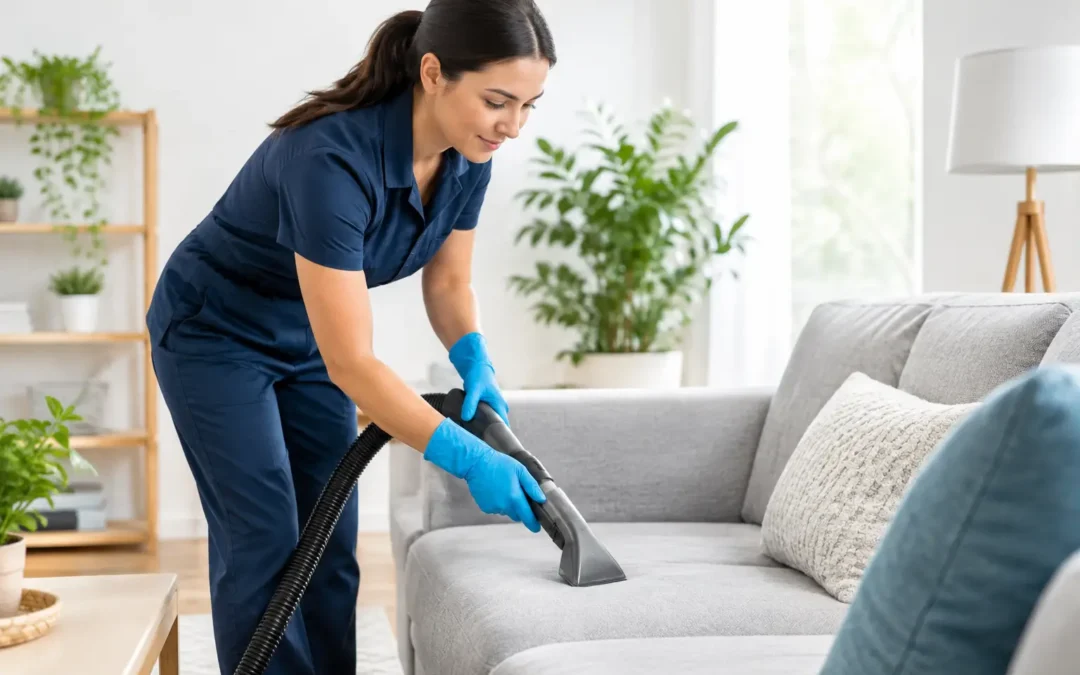
A layer of dust on a bookshelf is easy to see. What is harder to see is the mix of pollen, pet dander, dust mite debris, and other particles that settle into carpet, upholstery, blinds, ducts, and other hard-to-reach areas. For families, tenants, employees, and visitors who deal with allergy symptoms, that buildup can make a home or facility feel less comfortable.
So, can professional cleaning reduce allergens? In many cases, yes. Targeted professional cleaning can remove a meaningful amount of allergen-containing dust and debris from surfaces and materials where routine cleaning does not reach well. The right service depends on where allergens are collecting, the condition of the property, and whether there is an ongoing source bringing them back in.
How professional cleaning can reduce allergens
Allergens are not one single substance. They can include pollen tracked in from outdoors, pet dander, dust mite particles, mold spores, and insect debris. Some remain on hard surfaces, while others settle deep into fabrics, floor coverings, window treatments, and HVAC components.
Regular vacuuming and dusting are valuable parts of property care, but they have limits. A standard vacuum may not capture fine particles effectively, and aggressive cleaning with the wrong tools can stir particles into the air. Drapes, blinds, vents, and high ledges are also commonly missed during everyday cleaning.
Professional cleaners use specialized equipment, methods, and access tools to address these areas thoroughly. That may include high-filtration vacuuming, controlled fabric cleaning, ultrasonic blind cleaning, detailed air duct cleaning, and careful removal of built-up dust from difficult surfaces. The goal is not to create a sterile building. It is to lower the particle load inside the property and make ongoing maintenance more effective.
Where allergens tend to collect
The most productive cleaning plan starts with the places that hold the most dust and have the greatest impact on the people using the building. In a typical Utah home or commercial space, several areas deserve close attention.
Drapery, blinds, and upholstered furnishings
Window treatments can collect a surprising amount of dust, pollen, and dander, especially when windows are opened during high-pollen periods. Horizontal blinds have many narrow surfaces that are difficult to wipe completely. Drapery and upholstered furniture can trap fine debris below the surface, where a quick vacuum pass may not reach.
Professional drapery and blind cleaning is particularly useful when coverings are heavily soiled, delicate, oversized, or difficult to remove. On-site fabricare methods and ultrasonic blind cleaning can clean these materials more thoroughly while helping preserve their appearance and function. This matters in homes, offices, medical waiting rooms, multi-unit properties, and facilities with a large number of window coverings to maintain.
Air ducts and vents
Ductwork does not create allergens, but it can hold dust and other debris that has moved through the HVAC system over time. When a system is operating, some particles may be circulated throughout the property. A video-inspected duct cleaning helps identify buildup and gives property owners a clearer picture of what is inside the system.
Air duct cleaning is most worthwhile when there is visible debris around registers, excessive dust returning shortly after cleaning, recent construction work, water damage, pest activity, or a long period without service. Dryer vent cleaning is also important for safety and performance, though its main purpose is preventing lint buildup rather than reducing indoor allergens.
A clean duct system works best alongside regular filter changes and proper HVAC maintenance. If filters are undersized, overdue for replacement, or installed incorrectly, dust can return quickly regardless of how well the ducts were cleaned.
Carpets, floors, and entry areas
Shoes, pets, and open doors bring outdoor material indoors. In Utah, dry conditions, wind, seasonal pollen, and winter road residue can all contribute to the dust that enters a property. Carpet fibers can hold onto these particles, while hard floors allow them to collect along edges, under furniture, and in corners.
Professional floor cleaning can remove embedded soil that routine vacuuming leaves behind. The best approach depends on the flooring material and its condition. Carpet needs a different process than tile, natural stone, hardwood, or luxury vinyl. Using the wrong cleaner or too much moisture can create a separate problem, which is why trained service matters.
For commercial facilities and multi-unit properties, entryway maintenance is especially important. Mats should be cleaned and replaced as needed, and high-traffic areas should be serviced often enough to prevent buildup from traveling farther into the building.
What professional cleaning cannot solve by itself
Professional cleaning can reduce the allergens already present in a space, but it cannot eliminate the source of every allergen. A pet that sheds daily, open windows during pollen season, an aging HVAC filter, or a moisture problem can quickly reintroduce particles after service.
Mold deserves particular care. Surface cleaning may remove visible residue in limited situations, but recurring moisture, leaks, or musty odors should be investigated before relying on cleaning alone. The underlying water issue must be corrected. If mold growth is extensive or materials are damaged, specialized remediation may be necessary.
The same principle applies to severe allergy or respiratory concerns. Cleaning can support a healthier indoor environment, but it is not medical treatment. Individuals with significant symptoms should work with an appropriate healthcare professional while addressing practical conditions inside the property.
Choosing the right cleaning schedule
There is no single schedule that fits every property. A household with no pets, limited carpet, and good filtration may only need periodic specialty cleaning. A home with pets, children, heavy foot traffic, or allergy-sensitive occupants may benefit from more frequent attention to carpets, upholstery, blinds, and air vents.
Commercial properties often need a recurring plan based on occupancy and use. An office with a small staff has different needs than a busy apartment community, restaurant, retail space, or healthcare-adjacent facility. Property managers should also consider turnover cleaning, renovation work, and seasonal maintenance when planning service.
As a practical starting point, homeowners can schedule specialty cleaning when fabrics look dusty, HVAC registers show buildup, carpets hold odors or soil, or allergy discomfort seems more noticeable indoors. Waiting until conditions are severe often means more time and effort are needed to restore the space.
Steps that help results last longer
After professional cleaning, simple habits can help keep allergens from building back up too quickly. Use a vacuum with effective filtration, particularly on carpet and upholstery. Dust with a damp microfiber cloth rather than a dry feather duster that can spread particles. Wash bedding regularly, groom pets when appropriate, and use quality HVAC filters that match the system’s specifications.
It also helps to manage what enters the building. Entry mats, a shoes-off policy where practical, and regular cleaning of high-traffic areas can reduce outdoor pollen and soil. During Utah’s higher-pollen periods, keeping windows closed at certain times may help some allergy-sensitive occupants, though ventilation needs and personal preferences vary.
For larger properties, a documented maintenance plan keeps the work from becoming reactive. When window coverings, ducts, exterior surfaces, gutters, and interior specialty items are maintained on a sensible schedule, each service supports the overall condition of the property.
A cleaner property starts with the right scope of work
The most effective allergen-reduction plan is not always the biggest cleaning package. It is the one that addresses the areas actually holding dust and debris, uses the right methods for the materials involved, and fits the way the property is used.
Wadley Services provides specialty interior cleaning and recurring property maintenance for homeowners, property managers, and commercial facilities across Utah. A clear evaluation of the property can help determine whether drapery and blind cleaning, air duct service, floor care, or a combination of services will make the most practical difference.
A professionally cleaned space will not stay clean forever, but thorough work followed by consistent maintenance can make the air, surfaces, and daily experience of the property noticeably more comfortable.
Recent Comments