
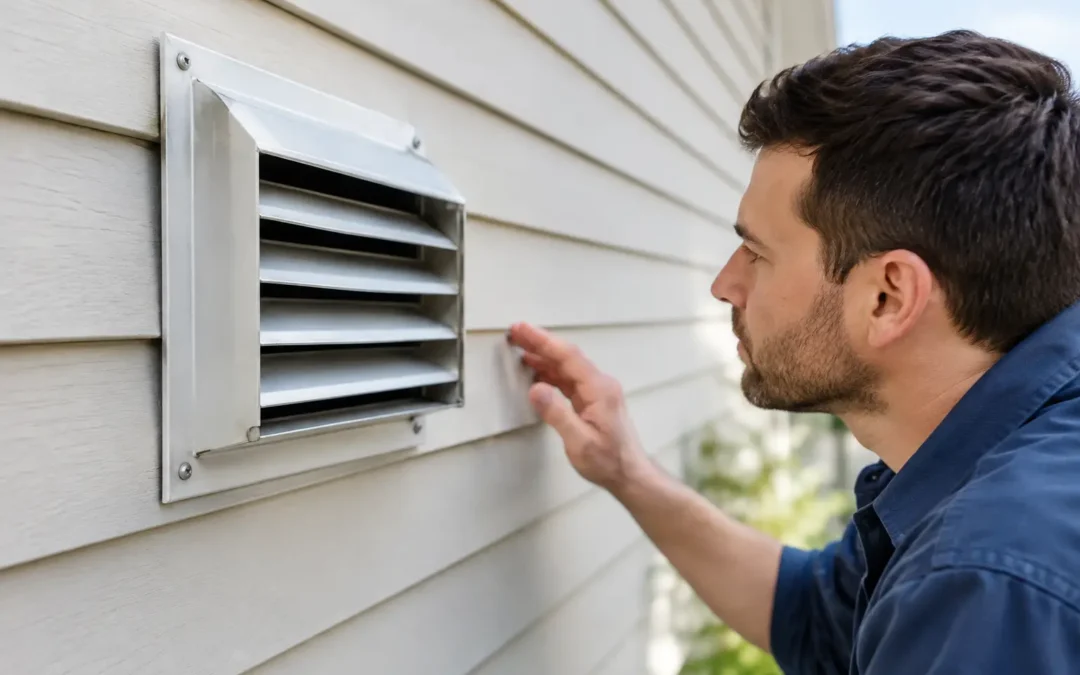
A dryer that takes two or three cycles to dry a load is more than an inconvenience. It can be a sign that heat and lint are building up where they should not. So, do vents cause fires? Usually, the vent itself is not the root cause. Fires happen when a vent is clogged, damaged, improperly installed, or connected to equipment that is already overheating.
For homeowners, property managers, and facility teams, the practical takeaway is simple: vents need regular attention. A clean, correctly routed vent helps equipment operate as designed, reduces strain on motors and heating elements, and removes one preventable fire risk from the property.
Do Vents Cause Fires? The Straight Answer
Vents are designed to move air, moisture, heat, smoke, or combustion gases safely out of a building. When that path is open and properly installed, a vent is a safety feature. The risk begins when airflow is restricted or when the vent system has the wrong materials, too many turns, loose connections, or an exterior exit that is blocked.
Dryer vents receive the most attention because lint is highly flammable and dryers create significant heat. But kitchen exhaust systems, bathroom fans, HVAC ducts, and gas appliance vents can also become safety concerns when maintenance is neglected. The fire risk is different for each system, which is why a one-size-fits-all cleaning approach is not enough.
Which Vents Create the Greatest Fire Risk?
Dryer vents are the most common concern
Every load of laundry produces lint. The lint screen catches a portion of it, but not all of it. Over time, lint can collect inside the dryer cabinet, transition hose, vent pipe, elbows, and exterior termination cap. Restricted airflow causes the dryer to run hotter and longer, increasing the chance that lint near a heat source could ignite.
Long vent runs are especially common in multi-unit buildings, commercial laundry rooms, and homes where laundry equipment is located away from an exterior wall. Each bend adds resistance to airflow. A crushed flexible hose, a screen-covered exterior cap, or a bird nest at the outlet can make the problem worse.
Not every slow dryer is caused by a blocked vent. A failing heating element, damaged blower wheel, overloaded machine, or moisture-sensing issue can also affect performance. Still, the vent should be inspected early because it is a common, correctable cause and a meaningful safety concern.
Kitchen exhaust systems collect grease
Range hoods and commercial kitchen exhaust systems move smoke, steam, grease vapor, and cooking odors away from the cooking area. Grease residue can build up on filters, fans, and duct surfaces. If cooking flames flare up or grease on a stovetop ignites, that buildup can help fire spread farther into the exhaust system.
For a typical home kitchen, regularly cleaning filters and keeping the hood functional goes a long way. Commercial kitchens face a greater volume of grease-laden vapor and need a maintenance schedule suited to their cooking volume and equipment. A restaurant, school kitchen, or multifamily shared kitchen should never treat hood cleaning as cosmetic work.
Bathroom, HVAC, and gas vents need attention too
Bathroom exhaust fans generally do not contain flammable lint like dryers, but dust accumulation can make a fan work harder and run hotter. A noisy fan, weak airflow, or a fan that does not vent outside deserves attention, particularly in older properties.
HVAC ductwork is not commonly the source of a fire, but dirty ducts can circulate dust and debris, and damaged duct connections can reduce system performance. More importantly, HVAC equipment, electrical components, and furnace areas should be kept clear of stored boxes, paint, chemicals, and other combustible materials.
Gas appliance vents and chimney flues serve a different purpose: they carry combustion gases outside. Blockages, corrosion, disconnected piping, and improper venting can create serious safety problems, including carbon monoxide exposure. A gas vent concern is not always a fire issue, but it should be addressed promptly by a qualified professional.
Warning Signs a Vent Needs Service
The most useful warning signs are often changes in day-to-day operation. If a dryer is hot to the touch, clothes take longer to dry, the laundry room feels unusually warm or humid, or there is a burning smell, stop using the dryer until the cause is checked. A lack of air coming from the exterior dryer outlet is another clear signal that airflow may be restricted.
For kitchen systems, look for greasy filters, smoke that lingers while cooking, or a hood fan that sounds strained. Bathroom fans that drip moisture, leave mirrors fogged long after a shower, or make rattling noises may have a blocked duct or failing motor.
Outside the building, inspect vent exits periodically. Snow, leaves, nests, landscaping, and damaged louvers can obstruct airflow. In Utah, winter conditions can make exterior checks particularly worthwhile. The outlet should be accessible, open, and directing air outdoors rather than into an attic, crawlspace, garage, or wall cavity.
How to Reduce Vent-Related Fire Risk
Good maintenance starts with habits that prevent buildup before it becomes a problem. Clean the dryer lint screen before every load, and wash the screen occasionally if dryer-sheet residue or fabric-softener film reduces airflow. Keep the area around the dryer clear, and do not store clothing, cardboard, or household supplies behind the machine.
The vent connection matters just as much as the lint screen. Dryer ducts should be smooth metal, properly secured, and routed as directly as practical to the exterior. Thin plastic or foil-style flexible ducts can sag, tear, trap lint, and create unnecessary risk. A short metal transition connector may be appropriate behind the dryer, but it should not be crushed when the appliance is pushed back into place.
Property managers should build vent service into recurring maintenance rather than waiting for a tenant to report a problem. This is particularly valuable for multi-unit properties, where long shared runs and frequent dryer use can allow lint to accumulate faster than expected. Keep service records, note recurring airflow issues, and address tenant reports of slow drying quickly.
For kitchen systems, clean hood filters according to use and do not assume a filter is clean simply because it looks acceptable from a distance. Grease can remain in mesh, seams, and fan components. In commercial settings, professional hood and exhaust cleaning should follow the needs of the operation and applicable safety requirements.
A basic visual check is useful, but it has limits. You can clean accessible lint, confirm that an outside damper opens, and make sure a vent is not buried by snow or debris. You should not force tools through unknown ductwork, disconnect gas venting, or ignore signs of overheating. Improper cleaning can damage duct connections or push debris deeper into the system.
When to Call a Professional
Professional service is the right choice when a dryer vent is long, hidden behind walls, routed through multiple floors, or showing persistent airflow problems. It is also wise after a dryer overheating event, a bird nest blockage, water intrusion, or a renovation that may have shifted duct connections.
A thorough service should address the full route from the dryer connection to the exterior termination, not just the visible hose. For larger properties, video inspection can help identify crushed sections, disconnected ducts, excessive turns, and problem areas that routine cleaning alone will not fix.
Wadley Services provides dryer vent cleaning and specialty property maintenance for homes, multi-unit properties, and commercial facilities across Utah. A clear inspection and proper cleaning can help restore airflow while giving property owners a better understanding of the condition of their system.
A vent rarely becomes dangerous without giving some warning first. When equipment runs hotter, airflow weakens, or outdoor vent exits become blocked, treat those changes as a maintenance call rather than something to put off until next season.
Recent Comments